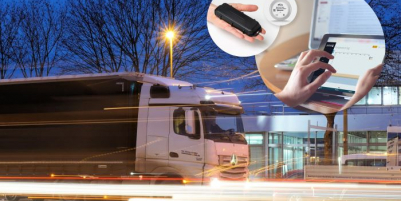
Mobile phone blocking technology offers a non-intrusive alternative to driver-facing AI cameras for those fleets facing opposition from drivers and unions. According to Mark Hadley, CEO of Blackout Technologies, this emerging innovation can help eliminate illegal smartphone usage – responsible for a significant proportion of collisions – without raising privacy concerns increasingly linked with some AI video telematics solutions.
“Despite growing evidence about the dangers of illegal mobile usage, we are seeing fleets delaying or even halting planned AI camera rollouts due to pushback from drivers and their unions,” explains Mark Hadley. “Recent research suggests that very few drivers can complete a road journey, from start to finish, without touching their mobile device. If AI cameras are not an option for some fleets, then smartphone blocking technology offers a viable way of tackling this issue that is thought to contribute to as many as 40% of vehicle collisions.”
On the UK road network, it is illegal to hold and use a mobile phone or any handheld device while driving. The penalties for doing so include a £200 fine and 6 points on your license, but despite tougher laws being introduced there has been a 93% year-on-year increase in drivers caught using a mobile device. In fact, figures from the Police’s Operation Tramline – using unmarked tractor units to carry out patrols on the road network – showed that 13,553 of the 51,500 offences spotted involved illegal mobile phone use.
Emerging mobile blocking technology uses an app installed on a driver’s smartphone to prevent unauthorised access to encrypted messaging tools, social media platforms, streaming, Internet browsing and camera functions, while preventing incoming notifications. It is the only fleet solution that addresses the issue at source, removing temptation and fostering improved concentration behind the wheel.
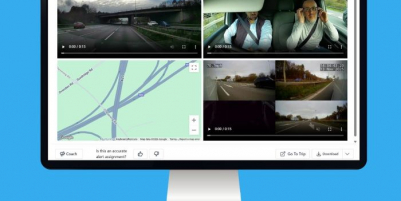
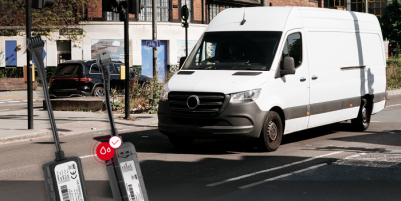
Enabled via a telematics unit or dashcam, Blackout Technologies’ SaaS-based solution activates when the vehicle is in motion for the duration of the journey and even includes a delay feature to stop drivers using a device when in stationary traffic. If a suspected road collision is detected, the technology can also send a push notification to the driver within seconds to verify the incident and check on their welfare along with an alert to the fleet manager.
“Fleets need to take away the impulse for drivers to take their eyes off the road. The latest AI detection cameras can identify and alert on driver distraction, but this does not solve the underlying problem. Mobile blocking technology can tackle the problem at root by stopping illegal mobile device usage in the first place, without the perceived intrusion on a driver while at work. By removing this distraction, it becomes possible to prevent many avoidable road injuries and deaths,” adds Mark Hadley.