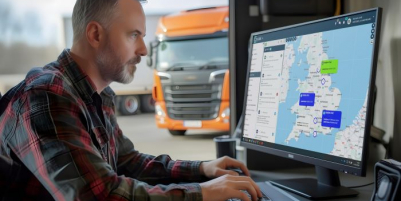
Ctrack by Inseego has launched an AI dashcam that is designed to prevent incidents by tackling fleet risk as it happens. The Ctrack AI Camera combines forward-and driver-facing camera technology, using machine vision and artificial intelligence (MV and AI) to detect and help drivers self-correct dangerous or distracted behaviour. Fleets can now use the AI dashcam to improve road safety, better protect drivers and reduce associated insurance costs.
“We are using the latest advances in AI and machine vision to create intelligent vehicle cameras that have a positive impact on road safety,” explains Steve Thomas, Managing Director of Ctrack by Inseego. “Over 90% of crashes are a result of human error, so any technology that enables drivers to take corrective action and lessen fleet risk will deliver meaningful results. Our AI dashcams can help prevent collisions before they occur, so offer a clear advantage over traditional video telematics that simply record collisions.”
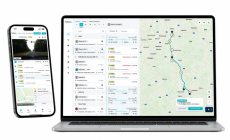
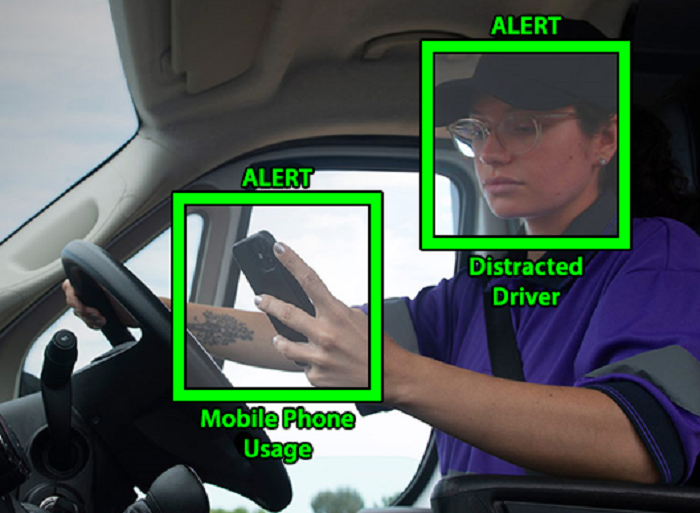
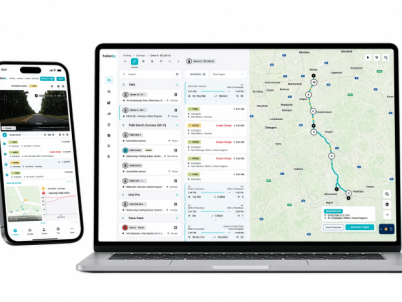
The forward-facing camera captures high quality footage of the road ahead, while the driver-facing lens provides a greater understanding of risky behaviour and distraction within the vehicle such as using a mobile device, eating and drinking, and eyes off the road. The MV-and AI-capabilities work together to identify and assess risk in and out of the vehicle, so the driver can be notified of any issues and footage uploaded to the cloud for review by the fleet manager, if required.
“What we have seen during our initial vehicle trials of the AI dashcam is a positive response from not only the fleet manager, who is gaining a more complete picture of risk, but also the driver. When asked for feedback, the overwhelming response from drivers is that any initial reluctance has been replaced by an understanding that the cameras are having a positive effect on risky driving habits and improving their safety,” concludes Thomas.