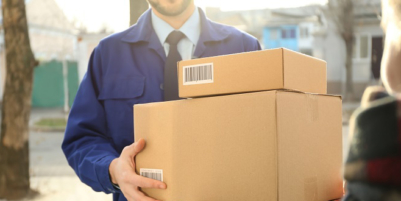
The gig economy has become familiar to us over the last decade or so, with on-demand drivers delivering takeaway meals, groceries and people. Now, it seems UK retailers are getting in on the act.
Predominantly, it has been restaurants, cafes, supermarkets and grocery stores that have used on-demand courier and messenger services to add capacity during the pandemic, with the benefit of being able to deliver products directly from the store to the consumer, often within just a couple of hours of an order being placed.
In the US, retailers such as Target and Walgreens are already embracing the many advantages of gig economy fulfilment, and it seems highly likely this trend will continue to grow in the US and take off in the UK.
After all, most retailers can realise gains by embracing gig economy fulfilment sooner rather than later to offer more options to customers and to minimise the impact of capacity limitations and other disruptions among traditional carriers. Generally, merchants can better meet customer expectations and boost loyalty by prioritising the last mile of each customer’s delivery, and gig economy couriers can help them do this effectively.
Until it becomes the norm, early adopting retailers can embrace gig economy fulfilment for a leg up on the competition. In the UK, Amazon and other e-commerce behemoths have increased consumers’ appetites for next-day and same-day delivery, so the ability to offer same-day or two-hour delivery by retailers working with gig economy players gets orders into customers’ hands even faster and increases their competitiveness in the market.
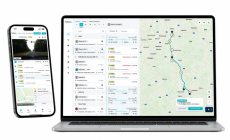
The UK is starting to see the gig economy move into new sectors, with start-ups such as Ryders (launched in November 2020 in London) looking to build a last mile marketplace and working not just with restaurants and grocery shops, but also with pharmaceuticals, ecommerce, logistics and other industries that rely on speedy delivery.
A growth market?
During the pandemic lockdowns, ship-from-store deliveries were fast-tracked, and non-essential retailers kept stores closed but allowed a skeleton workforce to process online orders for parcel deliveries, placing shipments for carrier or courier pick-up at the back door. As we move out of the pandemic, the appetite for using stores to ship local orders is continuing, creating ongoing demand for last mile delivery and growth opportunities for a new breed of gig economy on-demand services.
These opportunities are likely bolstered by the expansion of the global couriers and messengers market, which is expected to grow at a compound annual growth rate of 11% from 2021 and reach $722 billion in 2023.
What will be the impact of people returning to the office? When working from home, people are more geographically spread, and because they are home to receive a delivery, the need to schedule an order within a one- or two-hour time slot is less imperative. “Gig economy” type delivery providers are best suited to densely populated urban areas, and as people return to the office, conditions are ideal for an upsurge in demand.
Embracing the gig economy to bolster fulfilment allows retailers to better serve customers, differentiate themselves from competitors and operate with more agility. At its core, the gig economy expands what the retailer considers to be a carrier and can significantly increase the fulfilment options available to both the retailer and its customers.
Greener option
Many of the new breed last mile delivery providers move parcels via bikes, electric vehicles or even on foot, which means they are a greener option for companies looking to boost their sustainability and reduce their environmental impact.
Using Business Intelligence to navigate the gig economy
When considering where to start, most retailers can find the insights they need with business intelligence tools that mine their own fulfilment data. Questions to consider include:
- How can we strategically house inventory to better support gig integration?
- Where will our inventory footprint currently support gig integration?
- Which stores and distribution centres will accommodate gig integration for various regions?
Once retailers start working with gig economy carriers, they can also track and analyse the details of every delivery to better understand and coordinate fulfilment efforts. Over time, they will be able to determine which gig carriers offer the best service in a particular geographic region, for example, as well as which carriers most often meet expectations or fall short. These statistics, in aggregate, can also help retailers more effectively negotiate rates across their wider carrier networks.