Petrol sales still 40% down on pre-lockdown levels
June 8, 2020
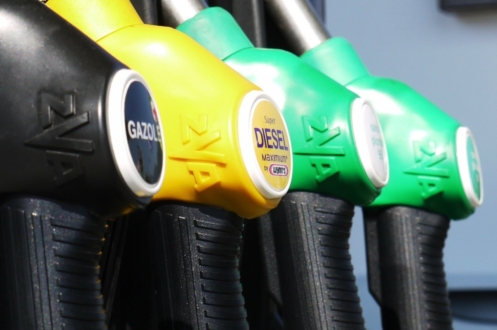
Petrol sales at filling stations are still almost 40% below their pre-lockdown levels despite a gradual easing of the lockdown, according to newly released official figures.
The Department for Business, Energy & Industrial Strategy’s that road fuel sales are starting to climb though, with a 7.5% rise in the week ending 24 May.
In the eight weeks to 23 March – the day the lockdown began – average daily road fuel sales were 17,690 litres per filling station. By contrast, in the following ten weeks sales fell to 7,900 litres, a 45% drop.
The month of April saw the sharpest decline in fuel consumption though, when motorists spent 63% less on fuel than they did in February. The lowest average daily figure – 2,500 litres – was recorded on 12 April, at the peak of the pandemic. A month earlier to the day filling stations sold on average 19,500 litres.
The report used petrol and diesel sales figures from 4,500 filling stations, which make up over 50% of petrol stations in Great Britain. The study covered the period from 1 February to 31 May.
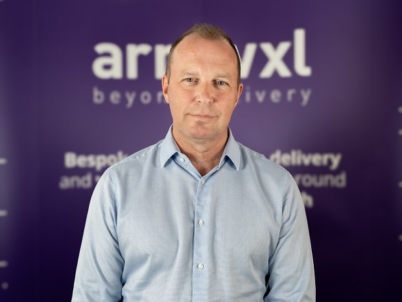
Responding to the new data, Greg Wilson, founder of Quotezone.co.uk, one of the country’s leading car insurance comparison sites, says:
“The lockdown has caused financial difficulties for a lot of people in the UK, but one area where many have been able to save a bit of cash is their transport costs. This new research reveals that the average amount motorists spent on fuel in April was 63% lower than in February, and an average of 45% less during the course of the lockdown.
“With a typical British household spending an average of £25 on fuel during a normal week, that means households are likely to have saved an average of £112 on fuel during the lockdown, although people with longer commutes may well have saved as much as £400 or £500.
“Of course, fuel isn’t the only expense drivers have been able to save a bit of cash on during the pandemic. Some motorists have also applied for a Statutory Off-Road Notice (SORN), which means they will have saved money on their car insurance and road tax as well.
“And it’s also worth mentioning that some car insurance companies are willing to reduce motorists’ premiums to reflect the lower mileage they’ve been doing whilst working from home, so it’s worth speaking to your insurance provider about that if you haven’t done so already.”