This International Plastic Free Day, third party logistics, sleeving and contract packing specialist, Prism eLogistics is calling on manufacturers to consider the valuable role of recycled and recyclable plastic in creating sustainable packaging solutions.
The push to reduce the use of virgin plastic has led to a broader perception that plastic in all forms is the least sustainable packaging option. But, in reality, the utilisation of the planet’s vast abundance of existing plastic as applied to recyclable packaging often represents a more environmentally sound option than better-perceived alternatives.
One example of this can be found in multipack packaging solutions. A recent comparative cradle-to-grave Life Cycle Analysis (LCA), found that 100% recycled rHDPE PakTech multipack handles outperformed paperboard options (four and six pack) on climate change metrics including acidification, eutrophication, health impact, smog air and energy demand, delivering ~2–5x lower CO₂ impact compared to paperboard alternatives.
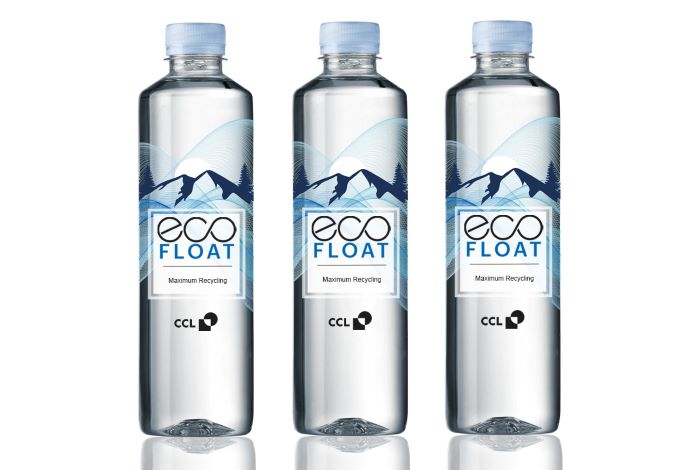
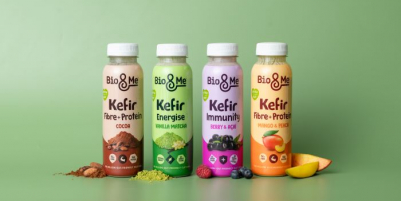
Similarly, while shrink sleeving is often assumed to be less sustainable, options such as EcoFloat sleeves enable brands to achieve full packaging recyclability. Whilst clear PET bottles are fully recyclable, coloured and printed plastic or hard-to-recycle labels can mean bottles are downcycled at best or not recycled at all. Recyclable shrink sleeves allow brands to use 100% recyclable clear PET whilst maintaining the colour, look and feel of their original design via a sleeve designed for the sink float process used in mainstream plants.
Ian Wright, managing director at Prism eLogistics commented:
“For some, plastic remains a controversial material, but the reality is that repurposing existing plastic in a format which can then be recycled again can be more sustainable than perceived ‘greener’ alternatives. What’s more, in light of current regulations, the lower volume of packaging associated with recycled plastic solutions can translate to savings when it comes to EPR fees.
“As well as making use of the abundance of pre-existing plastic, contemporary sleeving options designed to improve the sink/ float separation process relating to PET bottles can transform the environmental impact of brands which have previously used coloured or printed bottles. If we want to raise the level of overall sustainability in packaging, and to support the transition to a circular economy, it’s vital that plastic remains part of the conversation.”