Retail supply chains are yet to experience the disruption of AI-powered shopping, as consumer adoption remains in its early stages, according to retail logistics business Paxon.
Online YouGov research of over 2,000 UK adults aged 18+ years found almost two thirds (62%) of online shoppers have never used AI product recommendations, with just 3% of all respondents saying they frequently use AI shopping assistants.
A fifth (21%) had seen products suggested by AI tools, but never bought them, while 43% said they’d never been recommended a product by AI.
1 in 10 online consumers said they are likely to use AI to make online purchases in the next 12 months, with AI shopping assistants helping them to discover new products, as well as reaffirming planned choices.
The research was commissioned by 3PL Paxon, as it rebrands and brings together leading logistics businesses Radial, Staci, Active Ants and Base Logistics.
Wayne Chapman, UK CEO of Paxon, commented: “AI shopping is still pretty new, but it’s not going away. If it makes it quicker and easier for people to buy, demand is going to become harder to predict. For retailers, it’s quite simple. You need to know what’s happening and have a fulfilment operation that can react quickly when things change.”
Findings from the research also highlighted how other new technologies and social media are affecting online shopping behaviours and impacting retail supply chains.
Same-day society
Drone delivery services such as Amazon Prime Air will see a growing trend of the ‘same-day society’, with shoppers becoming increasingly impatient with deliveries. Three in ten (30%) think drones will make it unacceptable to wait more than 24 hours for the delivery of an online order.
Wait and see on smart glasses
While smart glasses have the potential to change the way people shop, consumers are yet to be convinced. In the future, AI-powered wearable tech could allow people to look at products they see in everyday life and purchase them instantly in their preferred size, colour and specification. However, just 16% of online shoppers said they’d be likely to use the new technology, although adoption would be higher among 37% of 18-24 year olds.
Scroll, watch, shop
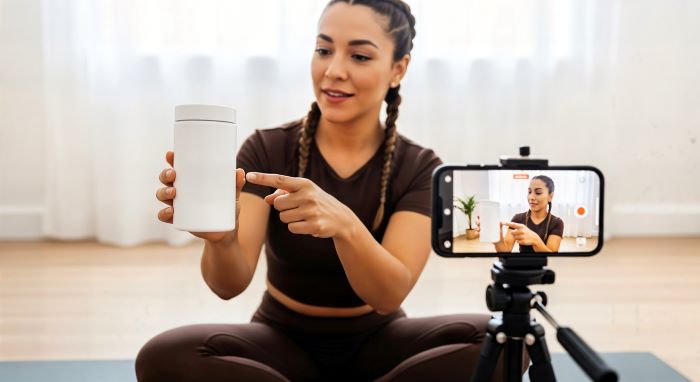
Research data shows the untapped potential of live shopping. Despite platforms such as TikTok helping brands like P.Louise generate record-breaking sales, 64% of online consumers admitted they’d never watched a live shopping stream. The figure was only slightly lower among 18-24 year olds (52%) and 25-34 year olds (60%), suggesting significant room for growth. For 52% of people who shop via live streams, Fear Of Missing Out (FOMO) and time-limited offers are the biggest motivations to buy.
Non-impact influencers
Survey findings also point to the weakening influence of social media influencers. 30% of consumers said social media content and recommendations do not encourage them to buy products they weren’t already searching for. A similar proportion (31%) said they are rarely influenced by social media, while 17% admitted they may occasionally purchase new products they discover through social channels.
The marketplace movement
Online shopping is seeing gathering momentum of ‘marketplacification’, with consumers increasingly favouring the wide choice of products and convenience offered by marketplaces. Three in ten consumers (30%) said they are more likely to shop via marketplaces over the next 12 months, rather than buying through a retailer’s or a brand’s website.
Wayne Chapman concluded: “Customers don’t really care what’s happening behind the scenes. Whether they buy through a website, an AI tool or smart glasses, they expect the product to be available and they expect it quickly. The challenge is delivering that without adding unnecessary cost and complexity. That’s where retailers need their supply chain to work much harder”