The Felix Project is using Maxoptra’s automated multi drop vehicle routing and scheduling software to help give London’s vulnerable residents a nutritious meal at Christmas.
Providing a free door-to-door service, The Felix Project collects good quality surplus food from suppliers and delivers it to charities supporting children, families, vulnerable adults and more. From a standing start in 2016, The Felix Project is set to provide at least one million meals a year, and has recently launched a new campaign to provide disadvantaged primary school children and their families with access to fresh and nutritious food.
“As a charity, it is vital that we put all our efforts and resources into the end goal,” commented Jo Atkins, Deputy Project Manager at The Felix Project. “That means working as efficiently as possible to bridge the chasm between surplus food and food poverty. With the support of Maxoptra, we can achieve this with greater efficiency.”
Using Maxoptra, The Felix Project can automatically plan collections from suppliers, including Waitrose, HelloFresh, Selfridges, Fortnum & Masons, Harrods, Pod, Pret a Manger and many more. Taking into account factors such as supplier opening times and when the food surplus will actually be ready for collection, Maxoptra produces optimal routes based on driving hours, mileage and costs. Routes can be continuously updated, even when vehicles are out on the road, to take into account new collections or driving conditions and automatic ETA notifications produced and shared.
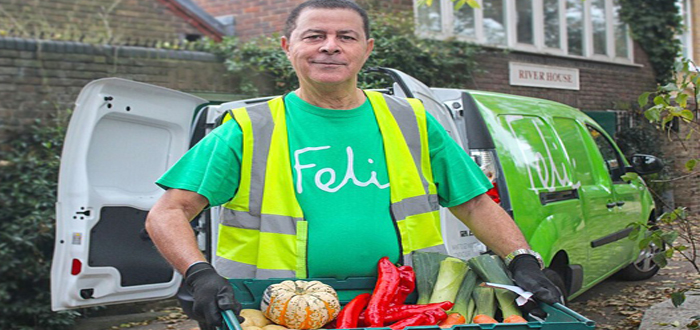
Food surplus is returned to The Felix Project’s warehouses where it is checked and sorted in accordance with food safety regulations. Using Maxoptra produced routes, volunteers then deliver the food directly to local kitchens, community halls, schools and day centres, where it is turned into nutritious meals and snacks.
“Using Maxoptra, we can optimise our routes, so we can get as much food surplus as possible to charities that need it,” continued Atkins. “The Maxoptra app will also give our volunteers useful information for their routes and keeps our suppliers and charities informed.”
Founded by Evening Standard chairman, Justin Byram Shaw, in memory of his son who died suddenly from meningitis, The Felix Project has grown from a handful of volunteers and one van to 250 volunteers, 10 vans and 10 full time staff, delivering 10 tonnes of food a week. In total there are more than 800 collections a month from 94 suppliers and 851 deliveries to 120 charities.
With support from the Independent and Evening Standard newspapers, The Felix Project has just launched its 2017 Christmas campaign to provide fresh and nutritious food for children and their families to access at school.